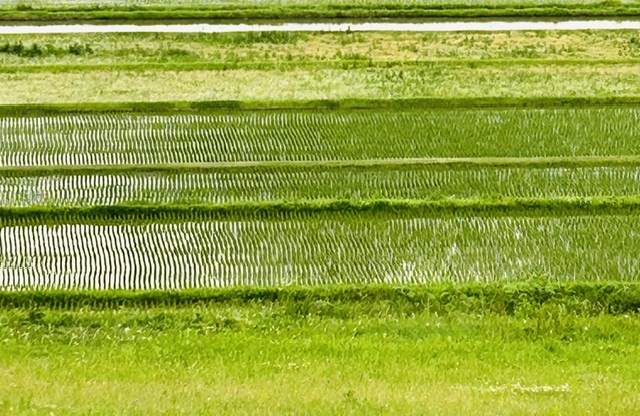
梅雨時に山の家に滞在したとき、山あいの、田植えを少し前に終えた水田の風景が美しかった。
田んぼというと、田植えが終わったばかりの水田、真夏の生き生きと育った水田、稲刈り後の風景などはすぐに映像として思い浮かぶ。
けれどなぜか私の記憶はその中間を飛んでいて、
まだ穂ができるには程遠い、若く、深い緑色をした稲が、こんなに美しいことにあらためて気づかされたのだった。
そこで思い出したのが、タイに住む方と最近話した農業の話。
タイを訪れるならいつがいいか?という私に、
彼は「Do you know the smoky season?」と返してきた。
なんでもサトウキビの収穫後の葉や茎などを処理するのに、人手不足から焼き畑で処理する方法が広く行われており、それがPM2.5などの大気汚染につながっているということらしい。
だからその時期の訪問はお勧めしないよ、ということであった。
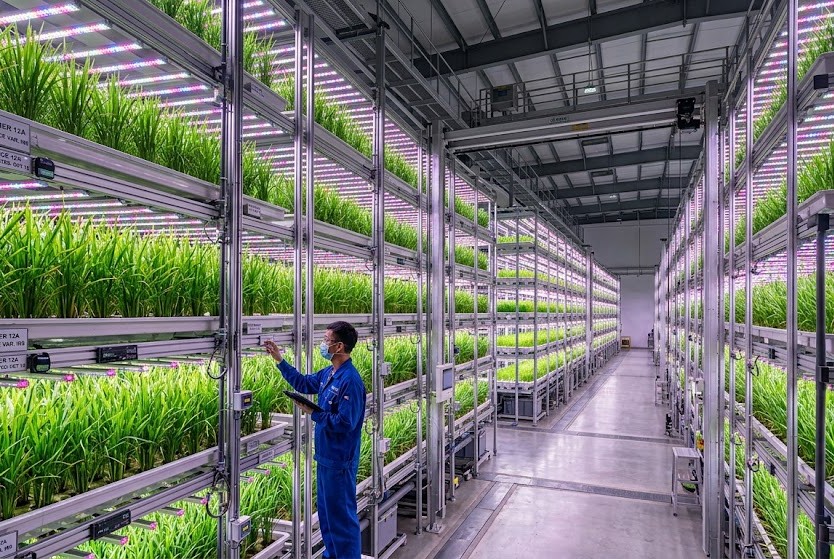
その話の流れで、彼は大気汚染を減らす方法の一つとして、屋内で米を育てる「Vertical Rice Farming(垂直米栽培)」を教えてくれた。
食料生産や環境問題を解決する有望なテクノロジーとして深く尊重する一方で、
人工的な光の下で育つお米の写真を見たとき、私は不思議な違和感を覚えたのだった。
違和感を持つのは、実際に大気汚染の被害にあってないから、
一粒でも米の収穫量を増やさねばという危機を感じていないから、
私には切実さが足りない、そう言われてしまえばそうかもしれない。
それでも、人工的な光の下で何段にも積み重ねられた棚の中に育つ稲を見て、それを食べたいという気持ちには到底なれなかった。むしろ、それなら別のものを食べればいいのではないかとさえ感じたのだ。
この違和感がなんなのだろうと私なりに考えてみるに、
「多くの日本人にとって、お米は単なる食料以上の存在だからだ」と思い至った。
私たちの四季の風景には、いつも田んぼがある。
春には水を湛えて鏡のように空を映し、
夏には、鮮やかな緑のエネルギーで波打ち、
秋には収穫を前に美しい黄金の海へと変わる。
これらの景色は、多くの日本人にとって、共通の記憶なのではないか。
外国の方と話すと、結構な確率でみな日本のアニメ、特にスタジオジブリの作品を見ている。
そのスタジオジブリの映画―『となりのトトロ』には、美しい日本の田舎が描かれている。
その風景の中心にも、いつも田んぼがある。
田舎で育っていない人でも、この映画にどこか懐かしさを感じる人は多いだろう。
田んぼは、日本人の意識のどこか深い場所に根を張っているように思う。
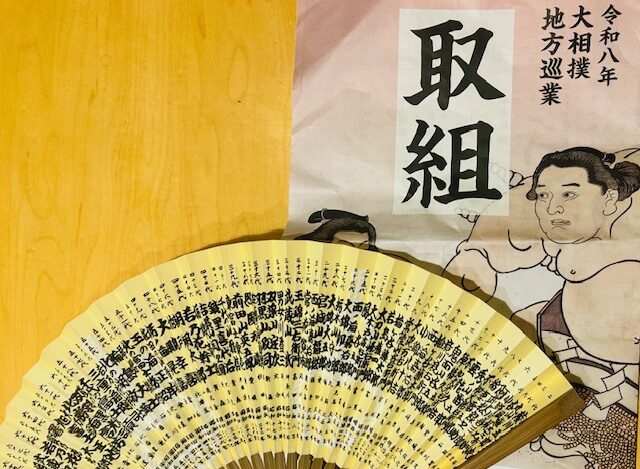
また、お米は私たちの伝統にも深く織り込まれていて、例えば、大相撲の土俵の中央の下にはお米が埋められている。繁栄と豊作を祈る神聖な供え物として。
「気(ki)」という漢字も、現在は「気」と書くし、学校でもそう習うが、
伝統的な古い字体は「氣」だった。
かつてお米は単なる食べ物ではなく、私たちの生命力そのものの源であると信じられていたのだろう。
第二次世界大戦後に書き方は変わってしまったわけだが、「気」は「氣」であるほうが意味的にしっくりくるし、美しい先人の知恵を思い出させてくれるようで、古い字体の成り立ちには誇らしささえ感じる。
垂直米栽培のような現代テクノロジーの効率や生産性はもちろん素晴らしい。
大気汚染や食糧不足の問題は、現実に存在する喫緊の課題だ。
それでも、食べ物は単なる身体の燃料ではない。もしそうなら、私たちは栄養サプリメントだけで十分なはずだから。
私にとって、そして多くの日本人にとって、お米を食べるということは、季節の移ろいと、土地の記憶と、自然とのつながりを取り入れることなのだ。
テクノロジーの未来へと進み続ける今だからこそ、私たちの精神を支えている文化や伝統、そして情緒的なつながりを忘れたくない。
お米は単なる食糧ではなく、
身体の燃料ではなく、
季節や土地とのつながり、そこから生まれる生命力そのものだ。
お日さまを浴び、小さな苗から、深い翠の季節を経て、穂を実らせ、丁寧に人の手をかけて手元に届くお米が、いつまでも生きる力として受け継がれていきますように。
田んぼの風景が、心の中から消えてしまわないように。
そして私は、そうした日本の文化や感覚を、海外の人にも伝えられる人でありたいと思う。
【Why Rice is the Soul of Japan】
While staying at a mountain house during the rainy season, I was struck by the breathtaking beauty of the tiered rice paddies, where seedlings had been planted just a short while before.
When we think of rice fields, certain images instantly come to mind: the mirror-like water just after planting, the vibrant green of midsummer, or the golden hues after the harvest. Yet, for some reason, my memory had always skipped the middle phase. Seeing those young, deep-green stalks—still far from bearing grain—reminded me of just how beautiful they truly are.
This realization brought back a recent conversation about agriculture with someone living in Thailand. When I asked him when the best time to visit would be, he replied with a question: “Do you know the smoky season?” He explained that due to labor shortages, farmers widely burn the leftover leaves and stalks after the sugarcane harvest. This practice leads to severe air pollution, including high levels of PM2.5. Naturally, he advised against visiting during that time.
As we spoke, he introduced “Vertical Rice Farming”—growing rice indoors—as a potential solution to mitigate this pollution. While I deeply respect this as a promising technology for food production and environmental issues, looking at the photos of rice growing under artificial lights stirred a strange sense of discomfort within me.
Perhaps one could argue that I only feel this way because I haven’t personally suffered from air pollution, or because I don’t feel the urgent crisis of needing to maximize crop yields down to the very last grain. Maybe I lack a sense of real urgency. Even so, looking at those rice stalks stacked layer upon layer under artificial lights, I couldn’t bring myself to want to eat them. In fact, I found myself thinking, If it comes to that, shouldn’t we just eat something else?
As I reflected on where this discomfort was coming from, I reached a conclusion: For most Japanese people, rice is far more than just food.
Our seasonal landscapes are always framed by rice paddies. In spring, they fill with water, reflecting the sky like a mirror. In summer, they ripple with the energy of brilliant green. In autumn, ahead of the harvest, they transform into a beautiful golden sea. These landscapes form a collective memory shared by most Japanese people.
Whenever I talk with people from other countries, more often than not, they have watched Japanese anime—especially the works of Studio Ghibli. My Neighbor Totoro, for instance, beautifully portrays the rural Japanese countryside. And at the heart of that scenery, there are always rice fields. Even those who didn’t grow up in the countryside likely feel a wave of nostalgia when watching this film. Rice fields are rooted deep within the Japanese subconscious.
Rice is also intricately woven into our traditions. For example, grains of rice are buried beneath the center of a Grand Sumo ring as a sacred offering to pray for prosperity and a bountiful harvest.
Even the kanji character for energy or spirit, ki (気), carries this history. Today, we write it as「気」 and that is how it is taught in schools. However, the traditional, ancient form was written as「氣」. The character enclosed inside (米) means “rice.” This suggests that in the past, rice was believed to be not just sustenance, but the very source of our life force. While the writing system changed after World War II, the old character「氣」 feels much truer to its meaning. It serves as a beautiful reminder of our ancestors’ wisdom, and its origins fill me with a sense of pride.
The efficiency and productivity of modern technologies like vertical rice farming are undoubtedly wonderful. Air pollution and food shortages are urgent, real-world challenges.
Even so, food is not merely fuel for the body. If it were, we could survive solely on nutritional supplements. For me, and for many Japanese people, eating rice means taking in the changing of the seasons, the memory of the land, and our connection to nature.
Precisely because we are moving forward into a tech-driven future, I do not want us to forget the culture, traditions, and emotional connections that sustain our spirit.
Rice is not just food. It is not mere fuel. It is our connection to the seasons and the earth, and the very life force born from that connection.
Bathed in the sun, growing from a tiny seedling through a season of deep emerald, and finally bearing grain—I hope that rice, brought to us through the careful hands of farmers, will always be passed down as a source of vital life energy.
I hope the landscape of the rice paddies never fades from our hearts. And I hope to be someone who can share this Japanese culture and sensibility with the rest of the world.