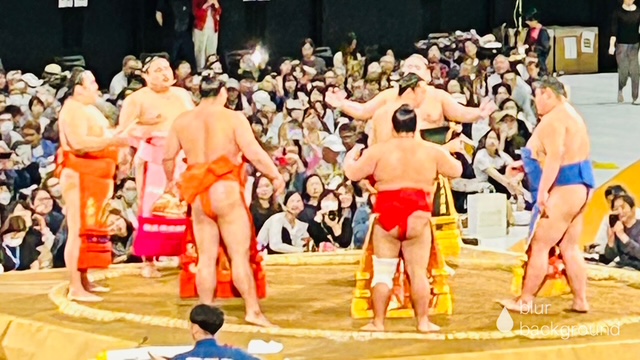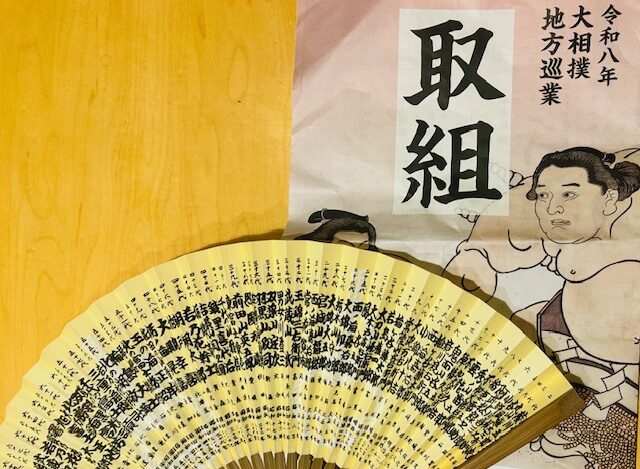
大相撲春巡業、横浜場所に行ってきた。
入り口から、人、人、人の波。
高齢者が多いかと思いきや、
関取に我が子を抱っこしてほしいママたちもいて、赤ちゃんも多め。
もちろん一年中追いかけ続けるスー女もいれば、
近年は外国人もかなり増えていて、
一見、何のイベントかわからないほど、老若男女で溢れかえっていた。
本場所以外でも、力士たちは全国を巡業で駆け回る。
イベント参加や部屋の行事もあり、とにかく休みがない。
それでも、
今まさに土俵から降りたばかりで汗だくの力士でも、
巡業ではサインや写真に快く応じるから、頭が下がる。
(ちなみに、幕下以下はサインはできない)
それをわかっているからか、ファンもどこか温かい。
本場所とは違い、
いわゆる花相撲だとわかっているのに、
取組のたびに「あーっ!」「おぅ〜」「あ〜ぁ」と声が上がり、
数千人がどよめき、拍手を送る。
みんな相撲が好きなんだなあと感じて、
その予定調和に、どこかほっとする。
勝敗だけではない、
伝統としての相撲の良さをしみじみ感じた。
そして何といっても、相撲甚句。
ナマで聞く相撲甚句には、すっかり心を奪われた。
テレビから流れてくるのとは、まったく違う。
短調のようで長調のようで、
切なく、哀愁に満ちていながら、どこか可笑しみもある。
力士の丹田から出る深い声がアリーナに響き渡り、
気づけば涙が溢れていた。
恥ずかしさのあまり、席を立たねばならないほどに。
だって、まさか
「アーどすこい、どすこい」の掛け声で
嗚咽することになるなんて、思ってもいなかったから。
日本語には「泣き笑い」という言葉があるけれど、まさにそれだ。
ところどころ笑える内容を、
哀愁に満ちた声で歌う相撲甚句は、
泣いて笑って、笑って泣いて——
「私たちの日々、そのもの」を歌っているのだろう。
相撲にも、人生にも、この世界にも、光と闇がある。
それでも、花相撲の予定調和に温かさを感じ、
甚句に涙しながら、
「何もかもが混ざり合う今という時代も、悪くない」
そう思わせてくれた春巡業だった。
帰り道、
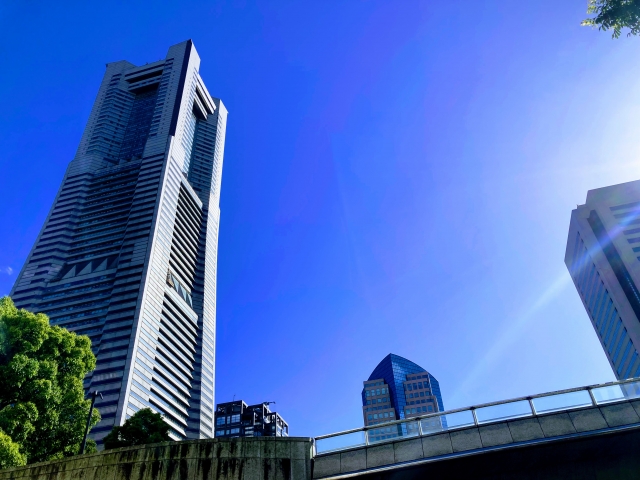
久しぶりに見た横浜の空は、
どこまでも青かった。
A Song That Stole My Heart — Sumo Jinku at Pia Arena MM, Yokohama
I went to the spring regional sumo tour in Yokohama.
From the moment I stepped inside, it was a sea of people.
I had expected mostly older fans, but there were also many young mothers hoping a top-division wrestler would hold their babies.
Of course, there were devoted female fans who follow sumo year-round, and recently, more and more international visitors as well.
At first glance, it was hard to tell what kind of event it was—just a crowd of all ages and backgrounds, gathered in one place.
Outside the official tournaments, wrestlers travel across Japan on these regional tours.
They also attend events and take part in activities with their stables, so they hardly ever get a break.
Even so, I saw wrestlers who had just stepped off the ring, still drenched in sweat, kindly stopping to sign autographs and take photos with fans.
(For reference, only wrestlers in the top divisions are allowed to give autographs.)
Perhaps because people know this, the atmosphere among the fans feels especially warm.
Unlike official tournaments, these events are more relaxed—almost like a festive exhibition, where everyone understands the spirit of it.
And yet, with every bout, thousands of people react together—
“Ah!” “Oh!” “Ahh…”—
voices rising, applause spreading through the arena.
Watching this, I felt something gentle and comforting in that shared rhythm.
Beyond sumo as a competitive sport, I could sense its beauty as a living tradition.
And above all, there was sumo jinku—a traditional style of singing performed by wrestlers.
Hearing it live completely took my heart.
It was nothing like listening to it on TV.
It felt neither purely minor nor major—
melancholic, full of longing, yet somehow playful at the same time.
The deep voices of the wrestlers, rising from their core, filled the entire arena.
Before I knew it, tears were streaming down my face.
I was so overwhelmed that I had to leave my seat for a moment.
Because honestly,
I never imagined I would find myself quietly sobbing to the call of
“Ah—dosukoi, dosukoi.”
In Japanese, we have a phrase that means “laughing and crying at the same time.”
That’s exactly what it felt like.
The lyrics can be humorous in places,
yet they are sung with such depth and wistfulness.
Perhaps sumo jinku is singing about something very simple—
our everyday lives, where we laugh and cry, cry and laugh.
There is light and shadow in sumo,
in life, and in the world itself.
And somehow, in that gentle harmony of the exhibition matches,
and in the tears brought by jinku,
I found myself thinking—
maybe this era, where everything exists side by side,
is not so bad after all.
On the way home,
the sky over Yokohama—
which I hadn’t seen in a while—
was endlessly blue.